About us
Discover the mission of the St. Stephen Region
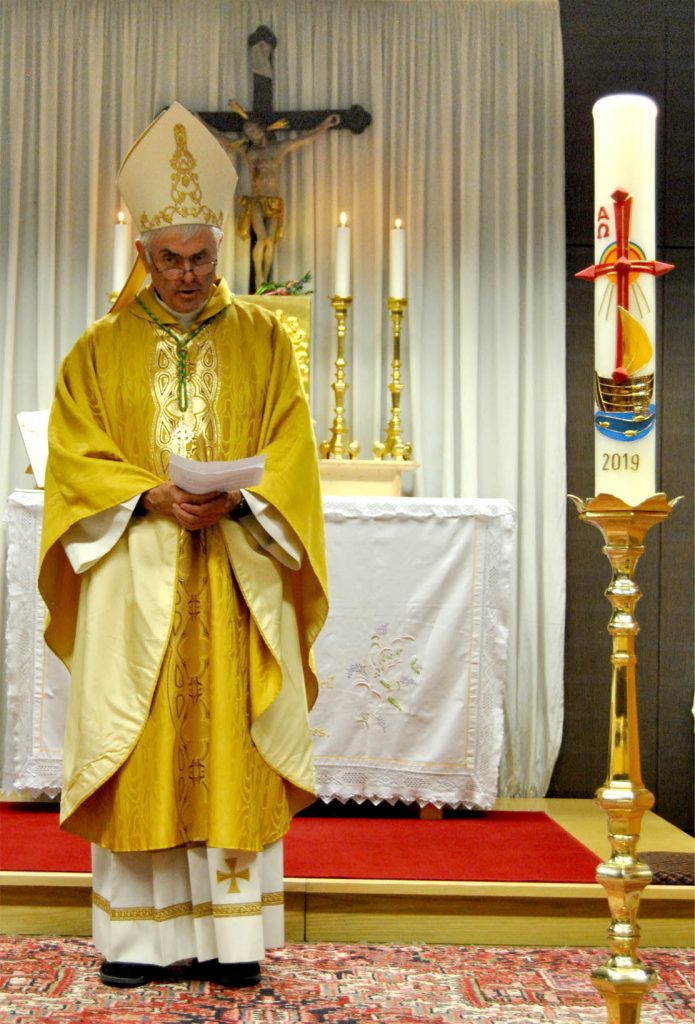
Bishop’s Greeting
It is my pleasure to welcome you on behalf of the Northern Catholic Church.
Jesus Christ says:
“I am the way, the truth, and the life.”
These words still speak to everyone today: to those who seek God, to those who seek answers to life’s questions, and also to those who seek peace, hope, and a home for their faith.
St. Augustine’s confession remains relevant today:
“You created us for Yourself, O Lord, and our hearts are restless until they find rest in You.”
The Church’s mission is to accompany people on this journey and help them encounter the living Christ.
The Northern Catholic Church is committed to preserving the faith, liturgical, and spiritual heritage of undivided Christianity, while remaining open to the questions and needs of people today. As a Catholic and Apostolic Church, we strive to faithfully pass on the faith, proclaim the Good News of the Gospel, and serve our fellow human beings with love.
In the Hungarian-speaking region, our church is known as the St. Stephen Region. Our communities bring together people who wish to live out their commitment to following Christ, prayer, the sacraments, and fraternal fellowship.
I invite you to get to know our church, attend our services and events, or simply get in touch with us. Our doors are open to all people of good will.
May the Lord guide your steps and bless your life!
+ Ottar Mikael Myrseth
bishop
North Catholic Church
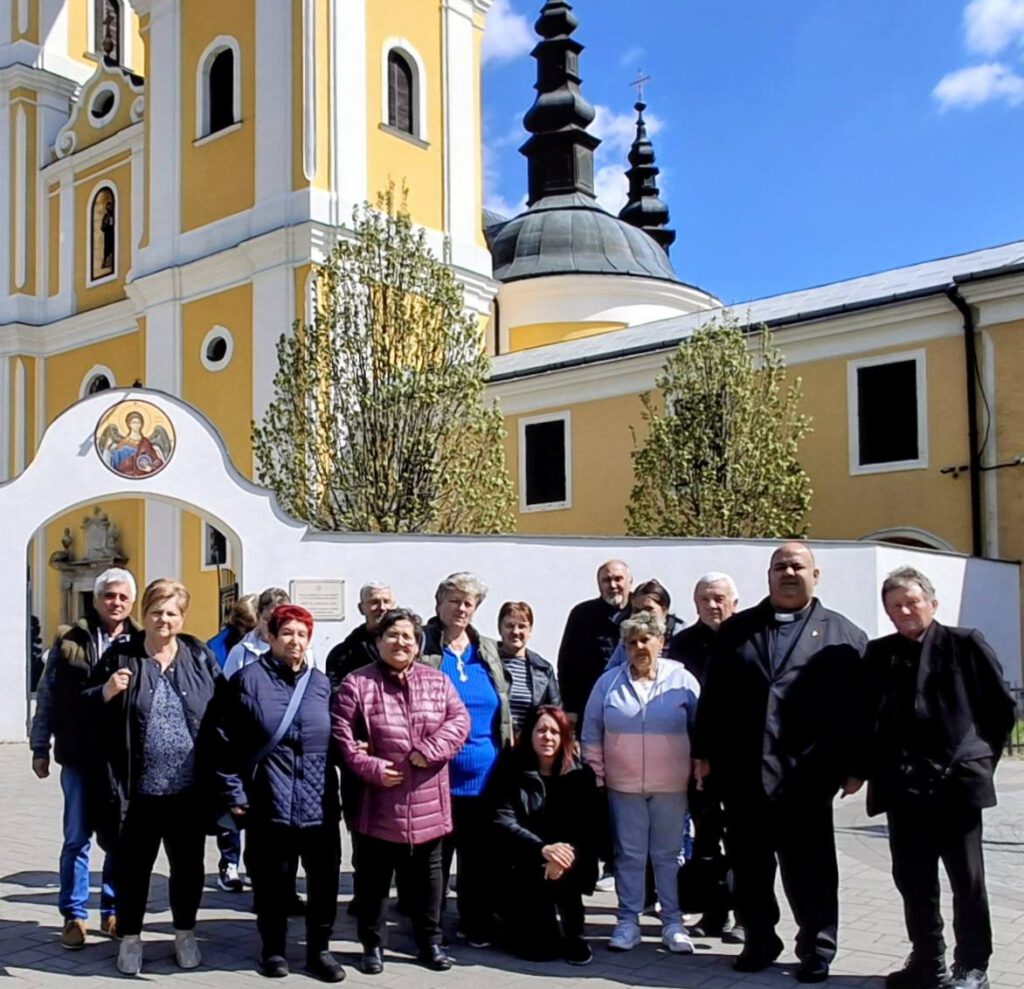
In the Footsteps of Christ – Among the People
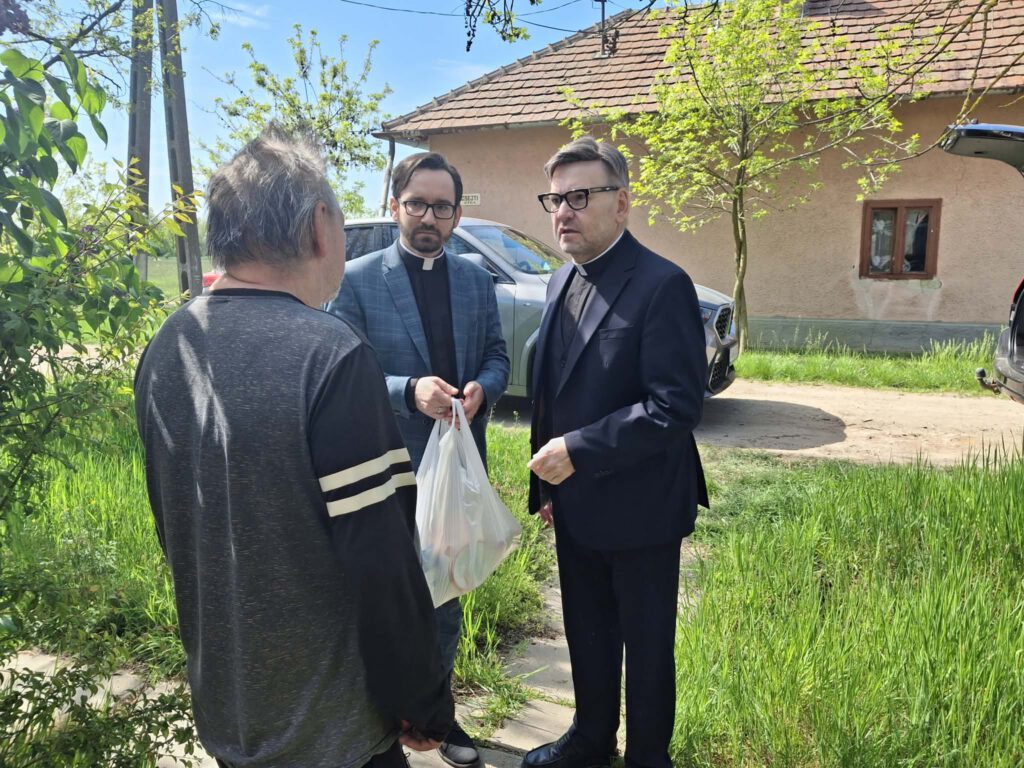
Our church’s mission is to be present in people’s daily lives.
We build our communities through pastoral visits, organizing community events, and showing personal care.
We believe that faith comes alive when it encounters a person.
The Scranton Union
The Scranton Union is a community of churches committed to preserving and passing on the Catholic faith, liturgical heritage, and apostolic church order of the undivided Church of the first millennium.
Its historical roots date back to the Union of Utrecht, established on September 24, 1889, in Utrecht. The documents adopted there—the Declaration, the Agreement, and the Statutes—set forth the fundamental principles that have long served as a guide for the Old Catholic Churches.
Building on this legacy, the Scranton Union seeks to preserve and pass on the apostolic faith, the sacred tradition of the Church, and the synodal and episcopal system of church governance.
The Scranton Union regards the creed of the First Ecumenical Council as the authentic summary of the Catholic faith and adheres to the teaching expressed by the undivided Church as a whole. The Scranton Declaration reaffirms the principles of the Utrecht Declaration, which were formulated in response to the decrees of the First Vatican Council. It acknowledges the historical primacy of the Bishop of Rome as primus inter pares (“first among equals”), while preserving the synodal tradition of the apostolic Church.
The Scranton Union professes with full faith the real presence of Christ in the Eucharist, which is the source and summit of the Church’s life. It upholds sacramental life, apostolic ministry, and authentic teaching as inseparable parts of the Church’s mission.
The Scranton Union considers it its mission to promote unity among Christians, to foster dialogue in truth and love, and to bear witness to the apostolic faith in today’s world.
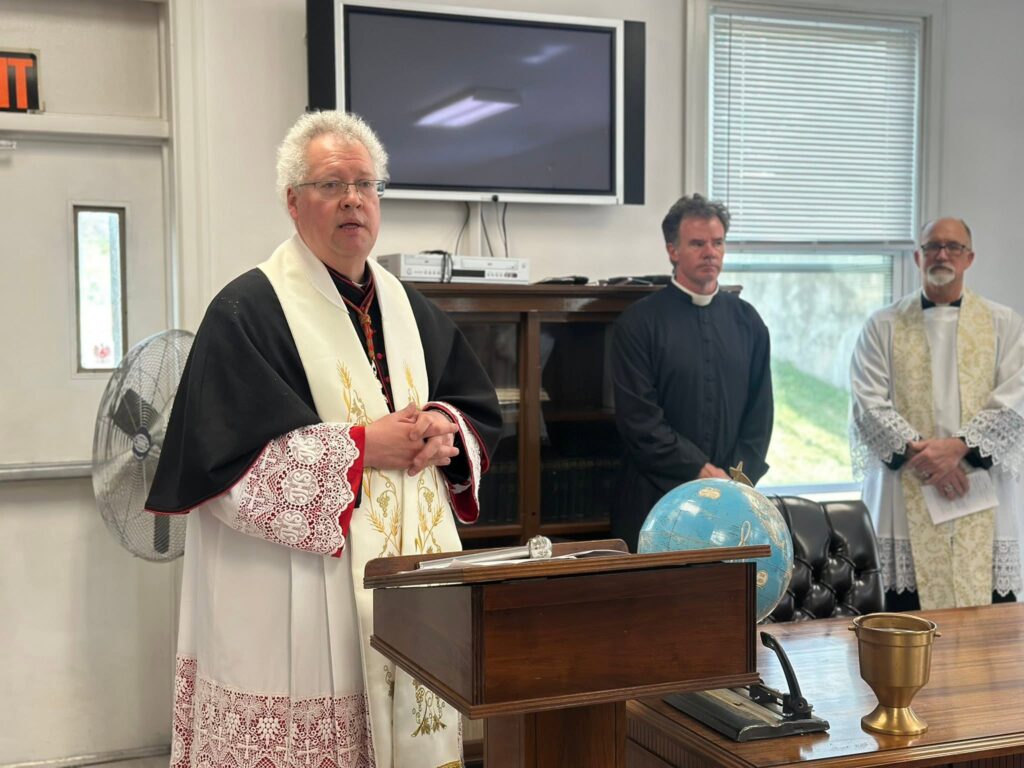
primary bishop of The Scranton Union
Apostolic Succession
Apostolic succession is one of the fundamental hallmarks of the Church’s catholicity. The continuity of ministry traceable to the apostles ensures that the Church remains faithful to Christ’s mission and to the apostolic tradition.
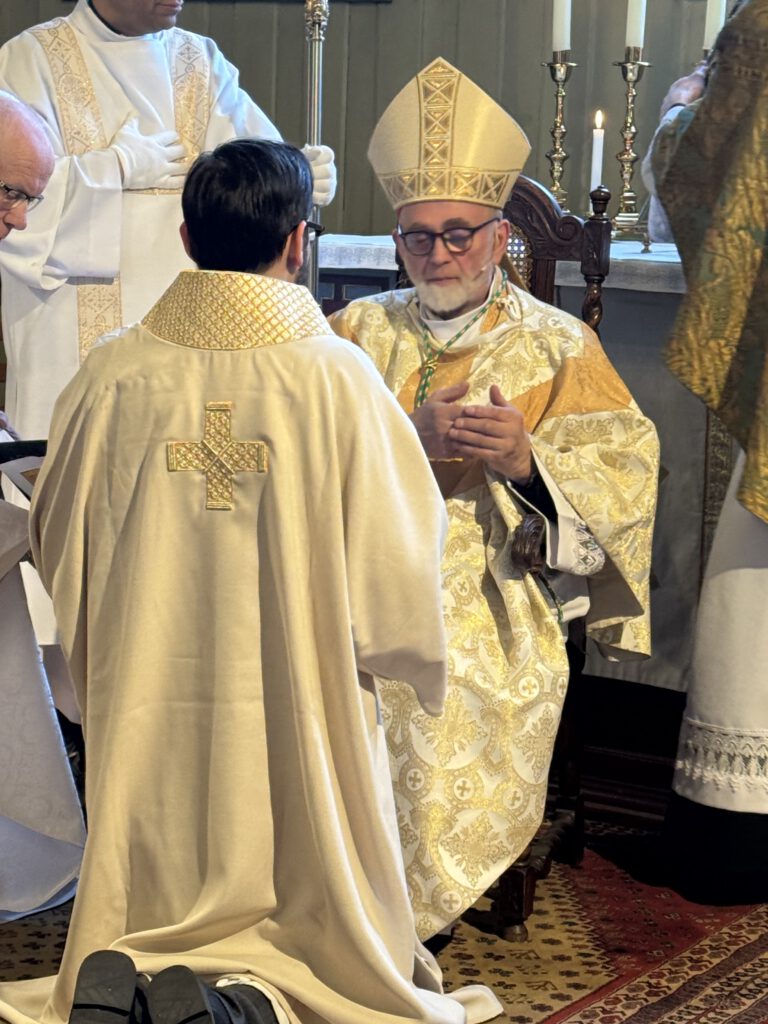
Apostolic succession is passed on when a bishop-elect, chosen by the synod, is validly ordained through prayer, the laying on of hands, and the ministry of the ordaining bishops, who themselves are part of the apostolic succession.
The life of the Church—the proclamation of the Word, the administration of the sacraments, teaching, pastoral ministry, and the transmission of sacred tradition—flows from the mission of Jesus Christ, which the apostles received, lived out in the power of the Holy Spirit, and then handed on to their successors, the bishops. This continuity ensures the Church’s authenticity and unity in every age.